⭐ If you would like to buy me a coffee, well thank you very much that is mega kind! : https://www.buymeacoffee.com/honeyvig Hire a web Developer and Designer to upgrade and boost your online presence with cutting edge Technologies
Showing posts with label EWM. Show all posts

Tuesday, March 3, 2026

SAP ERP & EWM Implementations: Driving Business Value Through Technical Excellence


Implementing SAP ERP or EWM is a complex, strategic business transformation. The project's success depends on aligning technical execution, system architecture, and business processes.

Core Technical Practices in SAP ERP & EWM Projects:

  • Project Governance & PMO: Define formal governance structures with stage-gate approvals, milestone tracking, and RAG (Red/Amber/Green) status reporting to provide executive visibility and maintain alignment across technical and business stakeholders.
  • RAID Management: Maintain a structured Risk, Assumption, Issue, and Dependency (RAID) framework, tracking potential system, integration, and operational risks proactively.
  • Transport Requests & Migration Oversight: Control SAP TR workflows, configuration migrations, and data transfer processes across development, QA, and production environments, ensuring module consistency, master data integrity, and cross-system synchronization.
  • Cross-Functional & Global Alignment: Collaborate with business process owners, IT architects, warehouse operations, and offshore SAP teams to ensure EWM warehouse structures, bin management, and movement types align with ERP master data and operational requirements.
  • Post-Go-Live Stabilisation: Drive defect resolution and process optimisation, supporting end-to-end testing, cutover validation, and user adoption to secure measurable ROI.

Business Use Case Example: During go-live, we had an inbound delivery quantity mismatch in EWM Implementation. When inbound deliveries were scanned in EWM, they did not reconcile with SAP S4 HANA inbound delivery records, causing putaway errors and delayed stock availability.

Project Manager Technical Actions:

  • Led root-cause analysis across EWM, IDoc interfaces, and ERP integration points, identifying a data mapping error between inbound delivery IDocs and EWM inbound delivery document types.
  • Coordinated correction of TR objects, re-testing in sandbox, and controlled transport to production, ensuring data consistency and operational continuity.
  • Maintained real-time stakeholder communication, providing dashboards and impact analysis to global and warehouse teams.
  • Updated RAID and lessons learned, reinforcing pre-go-live interface validation and integration testing as a best practice.

In the above issue, it was really important to bridge the gap between business strategy and system architecture, anticipate technical issues, coordinate resolution across SAP modules, and ensure ERP/EWM implementations deliver robust system integrity, seamless operations, and strategic business impact.

Wednesday, February 25, 2026

Improving Supply Chain Product and SAP WMS System Delivery Through Storage Bin-Level Insights


In every SAP EWM implementation I have worked on, there has been one transaction that quietly became the bridge between system design, business expectations, and real warehouse execution: /SCWM/LS03 – Display Storage Bin

It may look like a simple display screen, but in multiple project phases — from design workshops to hypercare- this is where some of the most important conversations happened.

Where It Started: Blueprint & Design Discussions

During the blueprint phase, storage bins are usually discussed in terms of:

  • Storage types
  • Putaway strategies
  • Picking logic
  • Activity areas

Everything sounds perfect on slides. But when we moved into system realisation and started validating the physical warehouse layout in EWM, /SCWM/LS03 became the place where we asked:

Does the bin configuration actually support the business process? Can this bin physically handle the HU and product weight? Is this bin eligible for the correct activity area and queue?

A Real Project Moment: Putaway Was Failing. In one of my implementations, inbound warehouse tasks were not getting created for certain HUs. Configuration looked correct. The search sequence looked correct. Storage type was correctly determined.

The issue? The system was rejecting the bin during the capacity check. When we analysed the bin in /SCWM/LS03, We found:

  • The maximum weight maintained was lower than the actual HU weight
  • The current utilisation had already crossed the allowed threshold

From a business perspective, the warehouse team was saying: “Space is available — why is the system not allowing putaway?” From a system perspective: “The bin is full.”

That moment helped align teams around why accurate master data is critical for system-driven execution.

Functional Learning: It was not just the Master Data

Further, I started using this transaction not just for issue resolution, but for:

✔ Validating putaway strategy behaviour

Is the correct storage section being picked? Is the bin type aligned with the product master and packaging specification?

✔ Debugging picking issues

If a picker cannot pick from a bin, checking the items below quickly explains the system’s decision:

  • Stock removal block
  • Activity area assignment
  • Fixed bin relevance for replenishment

✔ Supporting UAT & business simulations

During testing cycles, this helped us answer the most common user question:

“Why did the system choose this bin?” And once users understood that logic, system trust increased significantly.

The Business Impact: Building Trust in EWM

One of the biggest success factors in an EWM implementation is users' confidence in system-driven processes, not just the configuration. This transaction helped in:

  • Explaining system behaviour in business language
  • Reducing manual overrides
  • Enabling faster issue resolution in hypercare
  • Training super users with real, practical scenarios

It turned technical settings into visual, understandable warehouse logic.

How I Use It Today

Across my recent work in SAP WMS and EWM-driven environments, I use /SCWM/LS03 as:

  • A design validation tool
  • A testing accelerator
  • A production support diagnostic screen
  • A business discussion enabler

Because when something goes wrong in warehouse execution, sometimes the answer is often in complex debugging, but mainly it is in understanding the storage bin.

If you are an enthusiast of the EWM process and config, please DM. Let's discuss and exchange ideas. 

Thursday, February 19, 2026

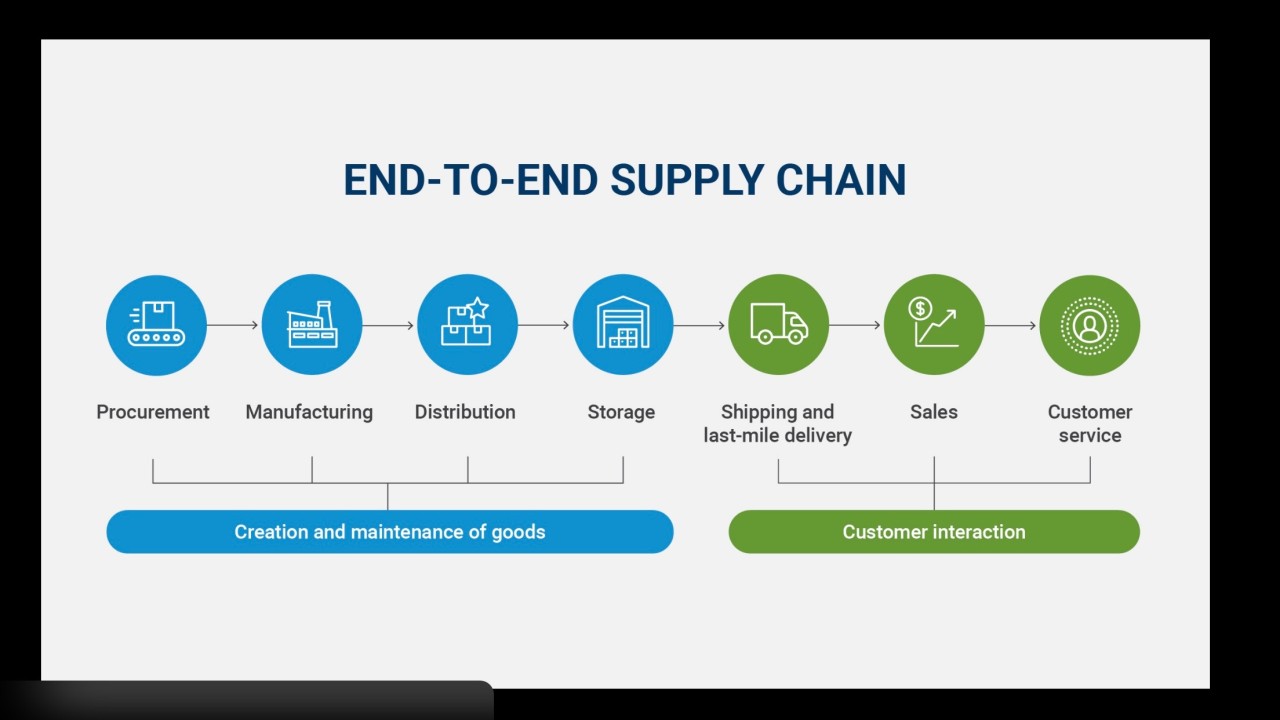
Supply Chain Management: From Functional Silos to an Integrated Value Network


gement (SCM) is about synchronising demand, supply, production, inventory, logistics, and finance into one connected ecosystem that drives profitability and customer satisfaction.

In today’s environment of volatility, shorter product lifecycles, and rising customer expectations, the supply chain has become a strategic differentiator.

1. Demand & Planning – Turning Market Signals into Action

Everything starts with demand. Key planning capabilities include:

  • Demand Forecasting
  • Sales & Operations Planning (S&OP)
  • Material Requirements Planning (MRP)
  • Capacity Planning

Effective planning ensures:

  • The right inventory levels
  • Stable production schedule
  • Optimised working capital
  • Improved service levels

Poor planning leads to excess stock, stockouts, expediting costs, and margin erosion. Planning can directly impact the financial performance.

2. Procurement – Building a Reliable Supply Base

Once demand is translated into requirements, procurement activates the supply side. Core activities include:

  • Strategic Sourcing
  • Supplier Selection & Evaluation
  • Contract Management
  • Purchase Orders & Scheduling Agreements
  • Goods Receipt & Invoice Verification

Modern procurement strategies focus on:

Strong supplier partnerships are foundational to supply chain stability.

3. Manufacturing & Quality – Creating Value Efficiently

Manufacturing converts raw materials into finished goods.

Integrated supply chains connect:

  • Production Planning
  • Shop Floor Execution
  • Quality Management
  • Raw Material & Finished Goods Inventory

Quality assurance is embedded across:

  • Incoming inspections
  • In-process checks
  • Final product validation

Operational excellence in manufacturing drives:

  • Cost efficiency
  • On-time delivery
  • Consistent product quality
  • Brand trust

4. Inventory & Warehouse Management – Controlling the Flow

Inventory acts as the buffer between demand and supply, but it must be controlled intelligently. Warehouse management ensures:

  • Accurate stock visibility
  • Optimized storage utilization
  • Efficient picking and putaway
  • Real-time inventory updates

Advanced warehouse capabilities include:

  • Task management
  • RF-enabled execution
  • Labor management
  • Integration with transportation planning

Solutions such as SAP Extended Warehouse Management and SAP S/4HANA enable real-time coordination between warehouse operations, production, and order fulfilment. Warehouse excellence directly impacts delivery performance and cost control.

5. Order Fulfilment & Logistics – Delivering to the Customer

Typical steps include:

  1. Sales Order Processing
  2. Available-to-Promise (ATP) Check
  3. Picking, Packing & Staging
  4. Shipment & Transportation
  5. Billing

The goal is simple: ✔ Deliver on time ✔ Deliver in full ✔ Deliver profitably

Visibility across inventory, production status, and transportation is critical to achieving this.

Why Supply Chain Is a Strategic Priority?

Apart from the efficiency, Resilience and visibility are equally important.

Leading organisations focus on:

A mature supply chain balances: Cost + Service + Speed + Flexibility

The Integrated Supply Chain Loop

Supply Chain Management is a continuous cycle:

Forecast → Plan → Source → Make → Store → Deliver → Bill → Improve

Each function is interconnected. Each delay has a downstream impact. Each improvement compounds across the network. Organisations that treat the supply chain as a strategic asset can create sustainable competitive advantage.

💬 As businesses continue their digital transformation journeys, the supply chain will remain at the centre of operational excellence and growth strategy. Where is your organization focusing its next supply chain improvement initiative? Let's connect and exchange thoughts and knowledge.

Beyond Compliance: SAP Security as Strategic Advantage
In every conversation I have about digital transformation, there's an uncomfortable truth we need to address: TRUST has become our most valuable and most vulnerable business asset.

At the heart of this challenge sits something many still underestimate: SAP security. These aren't just IT systems, they're the Crown Jewels that house our financial data, supply chain operations, HR records, and intellectual property. For most organizations, SAP is the business.

As organizations accelerate their cloud journey through RISE with SAP, the opportunity for modernization is huge! But this shift demands a fundamental rethinking of how we protect the digital core.

Three realities are forcing this transformation

The regulatory landscape is intensifying globally

From NIS2 in Europe to the UK's new Cyber Security and Resilience Bill extending cybersecurity requirements across critical digital services and supply chains, SAP systems sit squarely in the crosshairs of compliance obligations. This isn't just about avoiding fines, it's about maintaining the license to operate in regulated industries and markets. With RISE with SAP, understanding the shared responsibility model becomes a governance imperative, while SAP provides robust Infrastructure security, your data, configurations, and access controls remain your accountability.


The attack surface has exploded.

RISE with SAP unlocks incredible connectivity and agility, but our ERP systems are no longer isolated fortresses. They're connected ecosystems spanning multiple clouds, IoT devices, third-party applications, and AI platforms. Every integration point represents both opportunity and risk and a single misconfiguration can expose decades of business-critical data.


Business velocity cannot wait for traditional security approaches

Digital transformation initiatives demand speed and agility. Security can no longer be the gatekeeper that delays RISE migrations or S/4HANA upgrades, it must become the guardrail that enables us to accelerate safely. This can only be enabled when business leaders invite Security to the table early! The organisations that will thrive are making a fundamental cultural shift - from "patching vulnerabilities" to "designing for resilience." They're embedding security by design into every RISE journey from day zero, not bolting it on after go-live. They're measuring risk in terms of business impact, not just technical vulnerabilities.

Most critically, they're reframing SAP security from a cost center to a competitive advantage. When your digital core is genuinely secure, you can onboard partners faster, enter new markets with confidence, and leverage emerging technologies without compromising trust.


Here's the question I encourage every leadership team to ask:

"If our SAP systems were compromised or unavailable for 48 hours, what would that mean for our customers, our operations, and our brand? And are we truly prepared for that reality?"

If the honest answer gives you pause, then SAP security deserves a different level of attention and investment.


The bottom line: As we navigate the UK's new Cyber Security and Resilience Bill, NIS2 compliance, and accelerate our RISE with SAP journeys, security isn't just about protection it's about enablement. When we embed security by design into our digital core from day one, we don't just mitigate risk; we unlock the confidence to transform at unprecedented speed and scale.

The digital core of your business deserves nothing less. The organizations that recognize this today will be the ones defining their industries tomorrow.

Wednesday, February 18, 2026

The Evolution of SAP Warehouse Management

The Evolution of SAP Warehouse Management: From Manual Processes to Intelligent Integration

Long before the release of EWM in SAP SCM, SAP steadily enhanced its classic Warehouse Management solution with each R/3 release, layer by layer building the foundation for today’s intelligent, connected supply chains. Here’s a structured look at that evolution and what it meant for operations.

1. Manual Warehouse Management – The Starting Point

In the earliest stages, warehouse operations were largely manual:

  • Paper-based inventory tracking
  • Physical bin cards
  • Manual stock counts
  • Limited system visibility

ERP systems recorded transactions, but warehouse execution relied heavily on people and paperwork. Impact: Low transparency, delayed updates, high dependency on physical verification.

2. Locator-Based Management – Structured Storage

The next step introduced bin-level management: what many called “locator” control.

  • Storage types, sections, and bins
  • Structured putaway strategies
  • Basic stock visibility by location

With the rise of SAP R/3 Warehouse Management (WM), organizations gained the ability to manage stock at a much more granular level. Impact: Improved storage discipline and better stock traceability.

3. SAP WM – Core Warehouse Execution

As SAP R/3 WM matured, it introduced:

  • Transfer Orders
  • Putaway and picking strategies
  • Inventory differences management
  • Batch and handling unit support

Impact: Standardized execution processes and reduced manual errors.

4. WMS with RF (Radio Frequency) – Real-Time Execution

The integration of RF devices changed everything.

  • Real-time confirmation of warehouse tasks
  • Immediate inventory updates
  • Reduced paperwork
  • Increased picking accuracy

This brought SAP WM from batch processing to near real-time execution. Impact: Improved productivity and data accuracy.

5. Task Management – Optimizing Workflows

With enhanced releases, SAP introduced more structured task management capabilities:

  • Queue management
  • Task interleaving
  • Resource prioritization
  • Better workload balancing

Warehouse supervisors gained greater control over operational efficiency. Impact: Shift from transaction processing to operational optimization.

6. Labor Management System (LMS) – Measuring Performance

Labor became measurable.

  • Engineered labor standards
  • Performance tracking
  • Productivity benchmarking
  • Incentive program support

Warehouse operations moved toward data-driven workforce management. Impact: Higher accountability and improved labor utilization.

7. Transportation Management (TMS) Integration – Beyond the Four Walls

The final step before advanced SCM solutions was integration with transportation:

  • Shipment visibility
  • Dock scheduling
  • Yard management coordination
  • Freight planning alignment

Integration between Warehouse Management and Transportation Management ensured smoother outbound and inbound flows. Impact: Extended visibility from warehouse floor to transportation network.

Then Came EWM

When SAP Extended Warehouse Management (EWM) was introduced within SAP Supply Chain Management (SCM), it was a natural evolution.

EWM consolidated and expanded:

  • Advanced slotting
  • Wave management
  • Yard management
  • Integrated labor management
  • Advanced RF and automation support
  • Full supply chain integration

It represented the culmination of years of incremental enhancement in the classic R/3 WM environment.The Evolution of SAP Warehouse Management

Key Takeaway

SAP jumped from manual warehouses to intelligent supply chains. It evolved:

Manual → Locator → WM → RF → Task Management → LMS → TMS Integration → EWM

Each phase:

  • Increased visibility
  • Improved control
  • Enhanced productivity
  • Expanded integration

Understanding this evolution helps consultants and leaders appreciate:

  • Why legacy WM systems look the way they do
  • Why EWM is structured as it is
  • How digital transformation in warehousing truly happens
  •  
  •   SAP vs ERP – What’s the Difference?

    Many people use SAP and ERP interchangeably — but they’re not the same.
    🔹 ERP (Enterprise Resource Planning) is a business management system that integrates functions like Finance, HR, Supply Chain, Sales, and Procurement into one platform.

    🔹 SAP is a leading company that provides ERP software solutions.
    👉 ERP is the concept/system
    👉 SAP is a company that builds ERP software

    In simple terms:
    ERP is the category. SAP is one of the top providers in that category.
    No alternative text description for this image

    hashtagSAP hashtagERP hashtagDigitalTransformation hashtagBusinessGrowth hashtagEnterpriseSolutions

    Exploring UX in the SAP ecosystem
    Exploring UX in the SAP ecosystem is a bit like looking at a "before and after" home renovation show. For years, SAP was known for the SAP GUI—functional, but famously dense and complex. Today, the focus has shifted entirely toward making enterprise software feel as intuitive as a banking app or social media feed.

    The Core Philosophy SAP UX

    Enterprise software was once known for being powerful—but complex. SAP changed that narrative with a clear and focused UX philosophy: make business software simple, role-based, and delightful.

    Technically, SAP UX is powered by SAPUI5, enabling responsive, device-agnostic applications that work seamlessly across desktop, tablet, and mobile. Combined with intelligent insights from modern platforms like SAP S/4HANA, users can access real-time data and make informed decisions within the same interface.

    In essence UX in SAP

    In essence, SAP UX proves that enterprise software doesn’t have to be complicated. When designed around people, roles, and real business needs, even complex systems can feel simple.